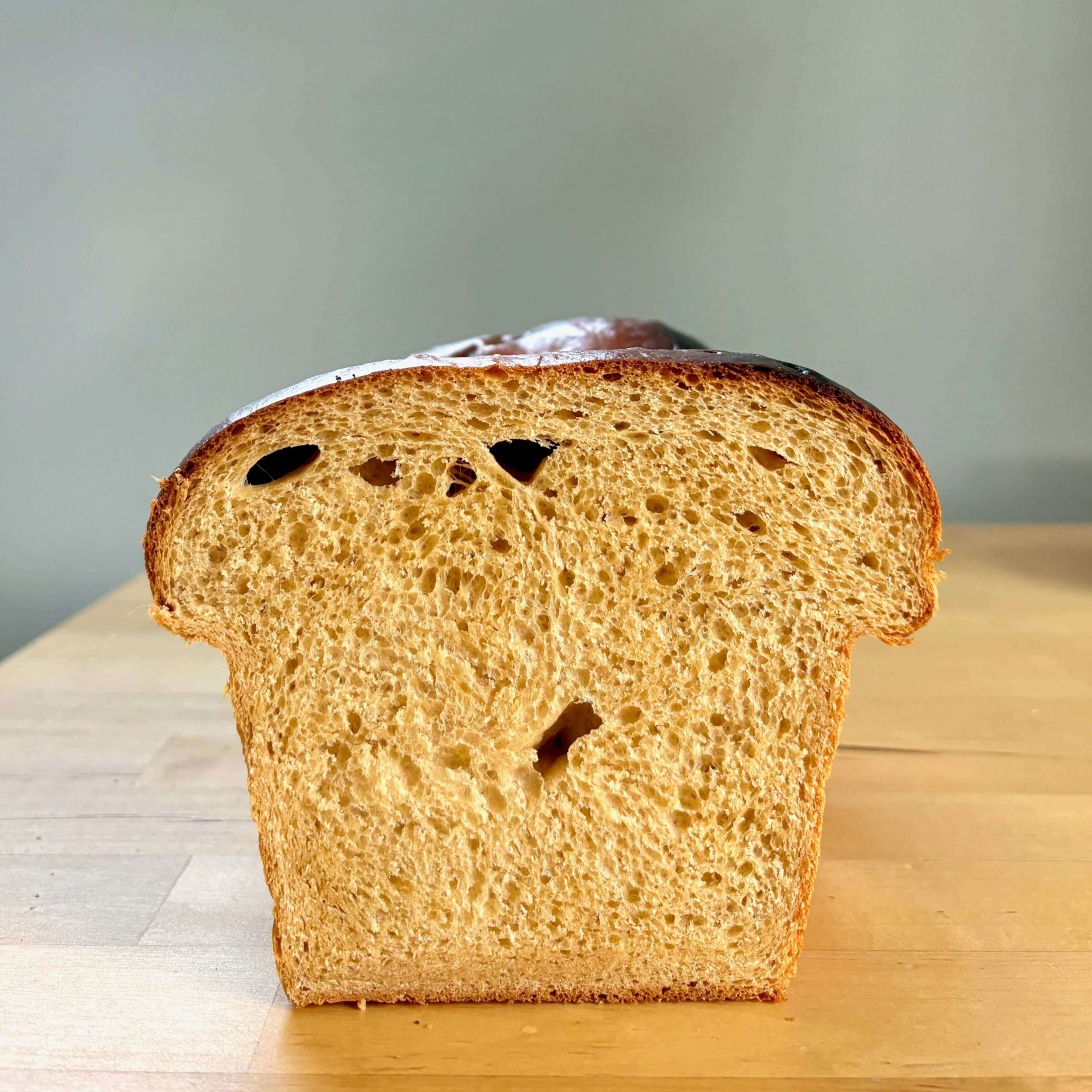
Shokupan (Milk Bread) with a Small Twist
While visiting my brother, his wife, and my niece this past week, we stopped by an Asian bakery and picked up a milk bread bun. I've loved milk bread ever since I first had it when visiting China around eight years ago. My tiny niece ate almost half of the large bun, so we knew that it was only right for her baking-loving auntie to make her some homemade shokupan.
No Sugar??
I found a great-looking recipe for milk bread on the blog Kimchimari, (https://kimchimari.com/milk-bread-asian/#wprm-recipe-container-14796)which stood out due to their use of the traditional Tangzhong method. The method involves cooking a portion of flour, water, and milk together until it makes a thick, pudding-like mixture that is then added to the dough. The Tangzhong helps the bread stay extra moist and results in a very light, springy dough. I have mainly used it before in my go-to Thanksgiving dinner roll recipe by the queen of baking, Claire Saffitz (Sour Cream and Chive Dinner Rolls—go check it out in her cookbook!).
Anyways, I got all my ingredients together to make the milk bread when I realized that there was no granulated sugar in the house. The only sweetener available was jaggery.
Jaggery is a type of unrefined sugar mainly used in India and Southeast Asia. It is derived from either sugarcane or palm sap and has a beautiful deep golden color and caramelly flavor. My brother's household has a lot of Indian influence, mainly due to his wife, but also due to our family's heritage—25% being Indian. I decided to take the gamble and use the jaggery in this recipe, and the results were wonderful.
Milk Bread Ingredients:
For the Tangzhong:
- 22g bread flour
- 60ml water
- 60ml milk (can be 2% or whole milk)
For the Dough:
- 330g bread flour
- 7g instant yeast
- 1tsp salt
- 50g jaggery powder
- 120ml milk (can be 2% or whole milk)
- 1 egg (room temperature)
- 60g salted butter (room temperature)
- 1tbs butter (room temperature) for lining the pan
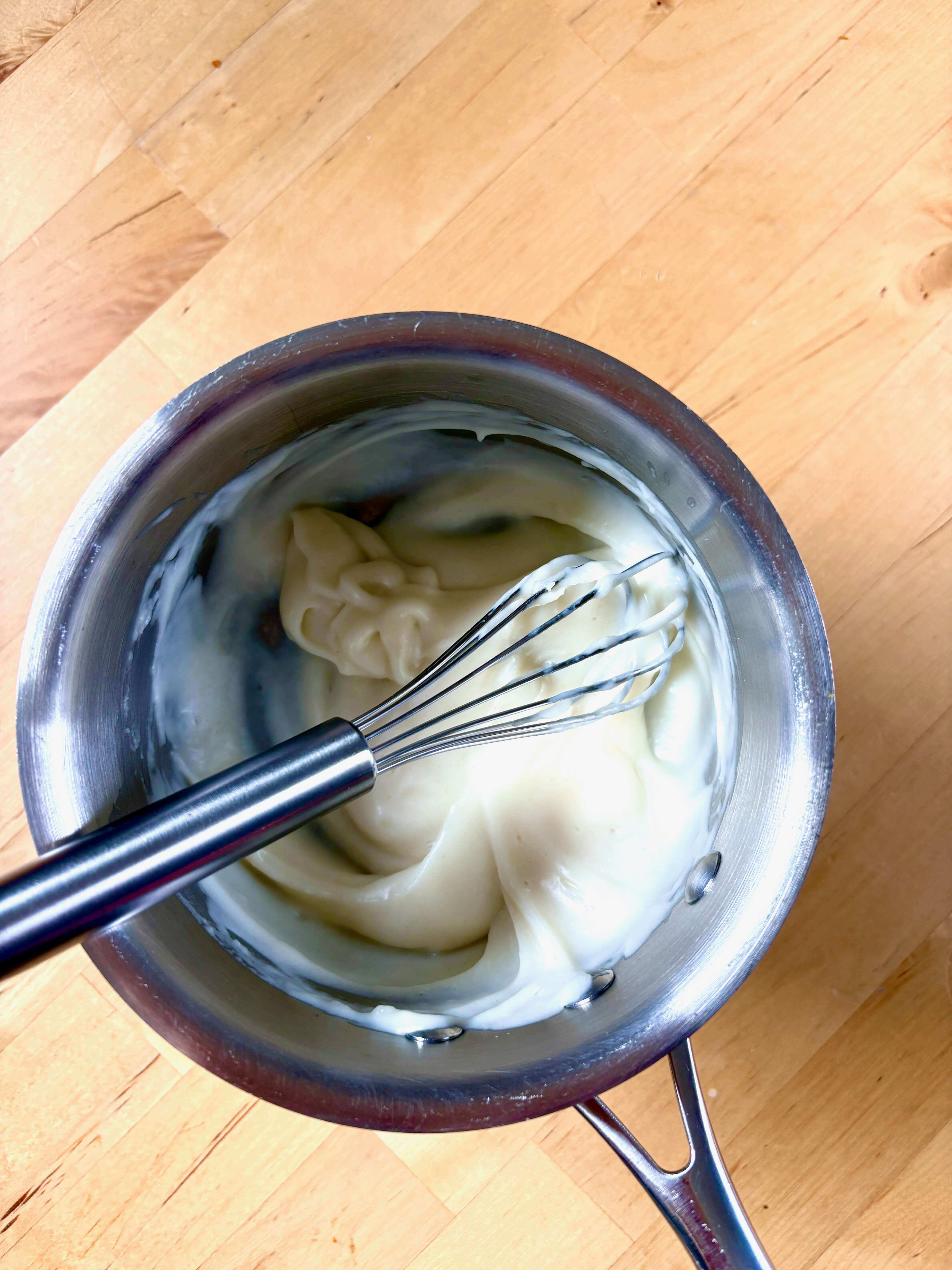
To make the Tangzhong, I combined the listed ingredients in a small saucepan and whisked until combined. I cooked the mixture over medium heat for around 3 minutes, whisking gently but constantly until it thickened into a pudding-like consistency.
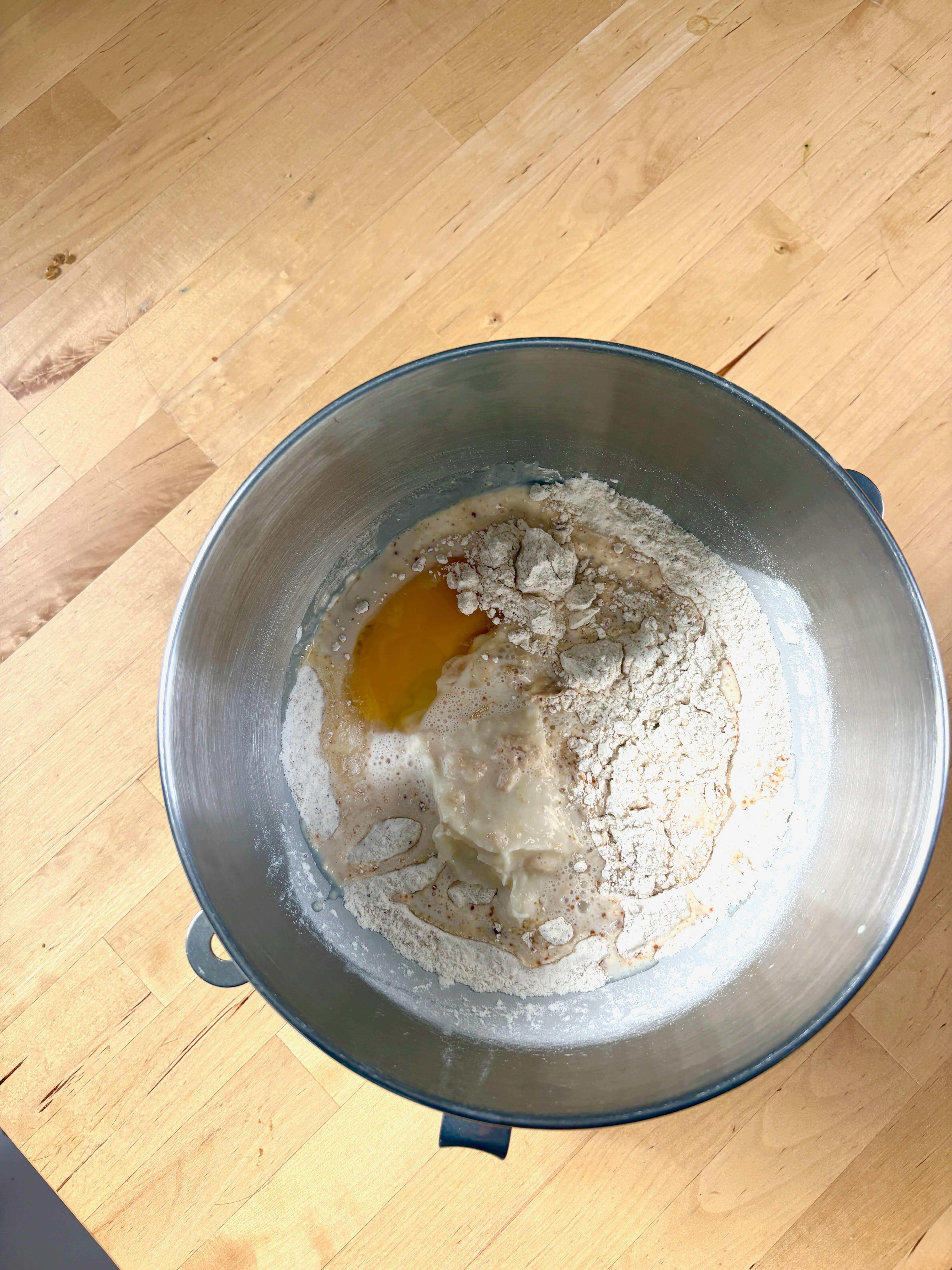
I then combined the flour, jaggery, and salt in the bowl of a stand mixer, mixing for 10 seconds until they were combined. I then added the milk (I had heated this with the yeast on the stove ahead of time until warm), egg, and cooled Tangzhong. I kneaded this mixture on low for around 5–6 minutes.
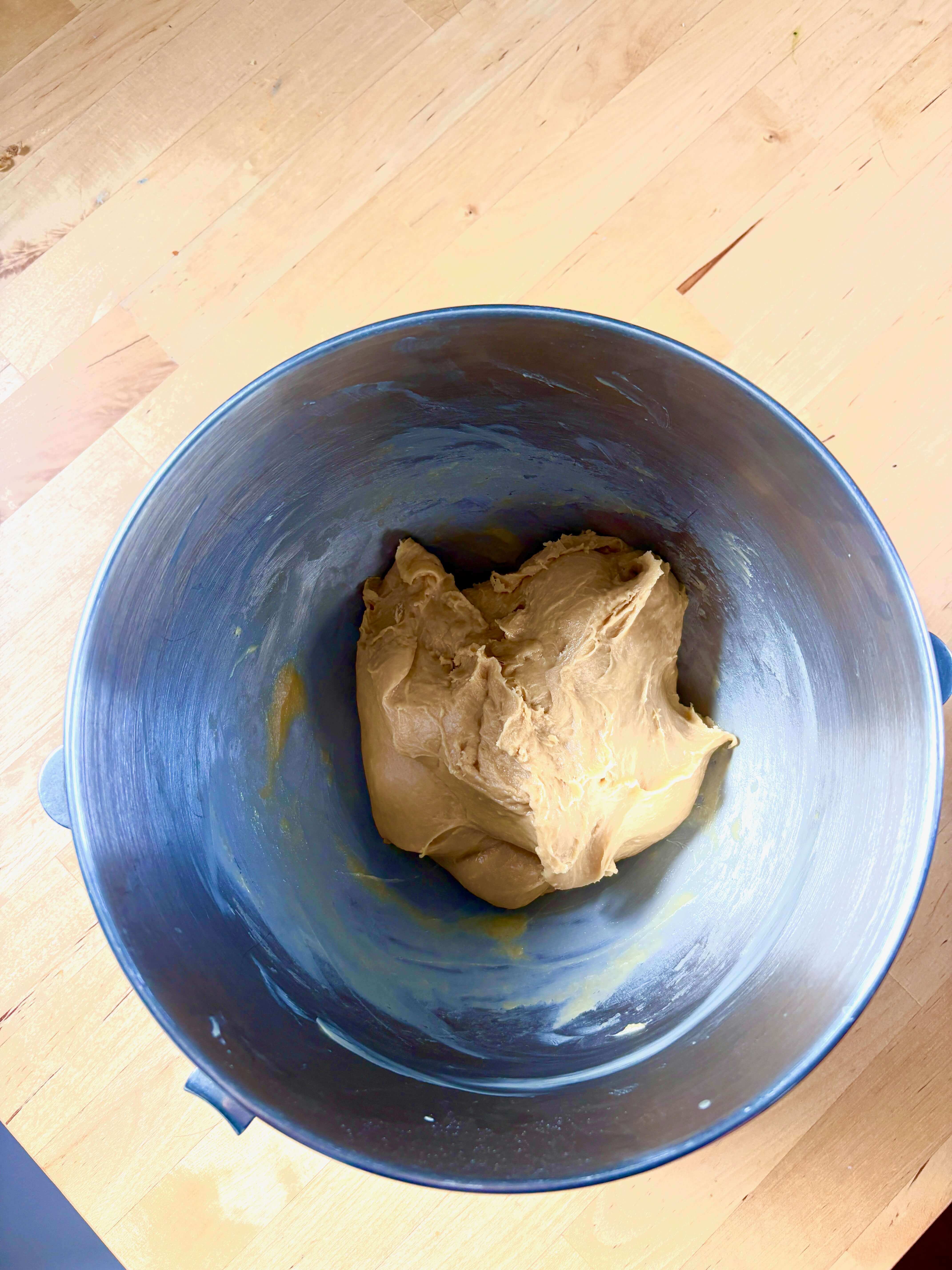
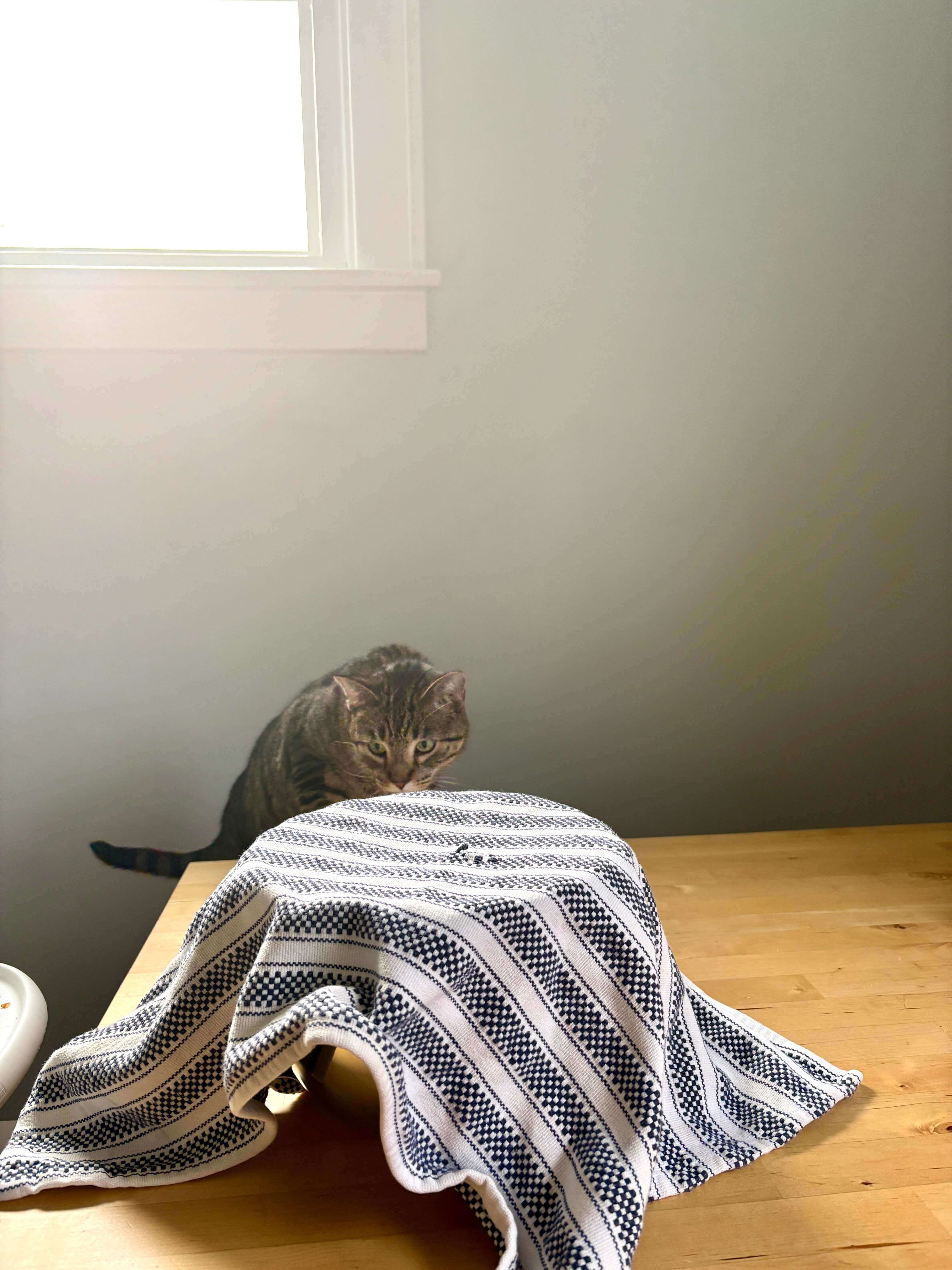
I added the softened butter to the dough, around 1 tablespoon at a time. I turned the mixer up to medium and kneaded it for an additional 10 minutes. The resulting dough was really soft and pliable. I placed it under a tea towel and let it rest for around 70 minutes.
The kitty cat was lovinggg the smell of the dough.
That sounds like a total success! The image of your niece stealing a slice before you could even get a photo is the ultimate compliment for any baker. Using a toaster oven for a tall loaf like shokupan is always a brave move, but a little "char" (or a "bold bake," as professional bakers call it) just adds a nice bitterness to contrast the sweet jaggery.
Here are the final grammar and spelling corrections for your milk bread post:
Corrections
- "350 F": Standard formatting usually includes the degree symbol: 350°F.
- "Brushed the top with milk then": Add a comma before "then" to separate the two actions: "brushed the top with milk, then baked it..."
- "My niece had stolen": To keep the tense consistent with the rest of the paragraph ("we all loved"), you could use "my niece stole", though your version works fine for a storytelling vibe.
- "So there's another": To avoid starting the sentence with "So" in a formal way, you could use "It was another added bonus!" but "So" is perfectly fine for your casual blog tone.
- "Humectant": You spelled this correctly—great job!
The Corrected Version
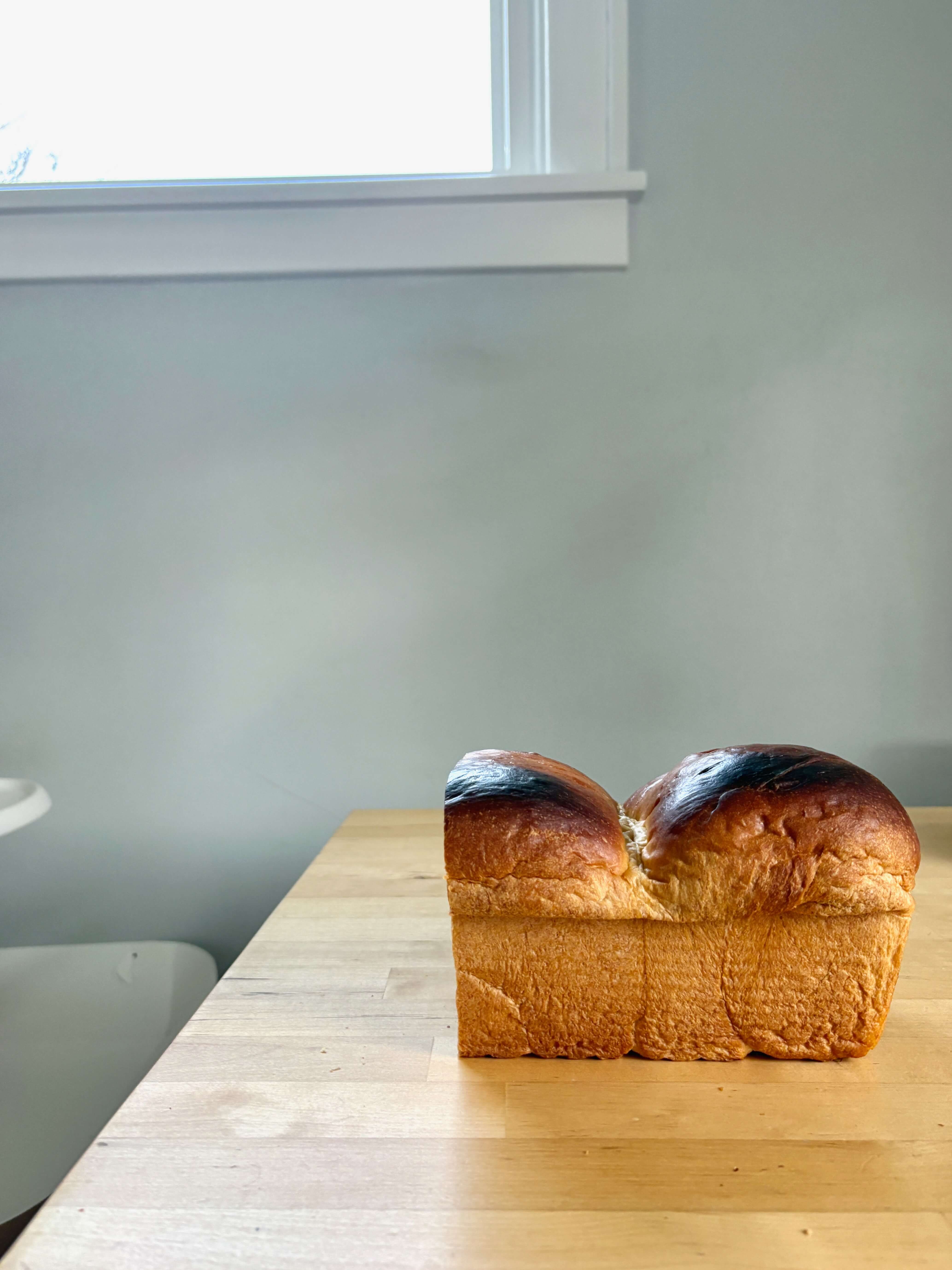
After 70 or so minutes, the dough had doubled in size. I shaped it per Kimchimari's instructions, then let it rise in the pan for another 30–40 minutes. I brushed the top with milk, then baked it at 350°F for around 35 minutes. The top did get a little charred because the top of the bread almost touched the top of the toaster oven I was using, but oh well... more flavor!
We all loved the bread so much. I couldn't even get a photo of it in the daylight before my niece stole a slice! But I don't mind. The color was a pretty light golden and the texture was so good. I was researching and apparently jaggery is a natural humectant, which means that it attracts and holds moisture, which keeps bread softer for longer. It was just another added bonus!
Comments & Notes
Be the first to leave a note!